Book | Exhibition | Film | Memorial | Media
In 2006, while working on a report about the strikers at the Lustucru factory in Arles, I discovered by chance that « Indochinese » workers had been brought to the Camargue region in 1941 with the mission of growing rice. For three years, I traveled throughout France and Vietnam in search of former « Indochinese Workers » who were still alive. I consulted thousands of pages of archives in various departmental collections and at the CAOM in Aix-en-Provence. Using all these sources, I was able to retrace the history of the 20,000 Vietnamese sent to France in 1939 to work primarily as laborers in arms factories in Sorgues, Bergerac, Bordeaux, Angoulême, Toulouse, etc. In 2009, I published Immigrés de force (Forced Immigrants), the first book devoted to this buried episode of France's colonial past, with Actes Sud. An exhibition followed, then films, then other books. Today, several memorials pay tribute to these 20,000 « Indochinese Workers » of the Second World War.
Book
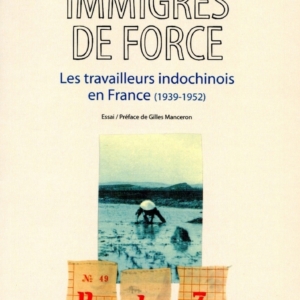
Immigrés de Force
Immigrés de force, les Travailleurs indochinois en France 1939 – 1952 (Forced Immigrants, Indochinese Workers in France 1939 - 1952) (Actes Sud 2009) consists of a general history of these 20,000 Vietnamese people spread throughout the country, depending on the arms factories, and then the various jobs to which they were assigned when these factories ceased operating. It was translated and published in Vietnam in 2014.
L’empire, l’usine, l’amour
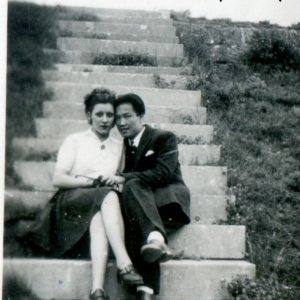
After the Liberation, these men were not immediately repatriated to their home country. The French government sent them to regions with labor shortages. L’Empire, l’usine et l’amour (The Empire, the Factory, and Love) (released in October 2019 by éditions Créaphis) focuses on the thousand Indochinese Workers sent to Lorraine after 1945 to work in the steel industry, construction, or textiles. At the same time, a war of liberation from colonial rule was being waged in Indochina, in which these men took part in mainland France – organizing demonstrations, meetings, distributing leaflets, and welcoming Ho Chi Minh in the summer of 1946.
The linh tho, forced immigrants
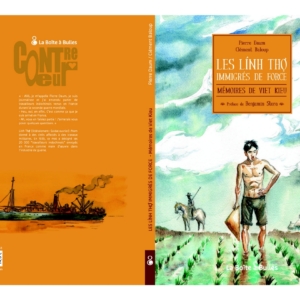
In 2015, the cartoonist Clément Baloup proposed that I produce a comic strip that would retrace my long investigation into the history of the Linh Tho, the Vietnamese name for the Indochinese Workers. This resulted in the very beautiful album Les Linh Tho, Immigrés de force (The Linh Tho, Forced Immigrants), published in 2017 by éditions La Boite à bulles.
Exhibition
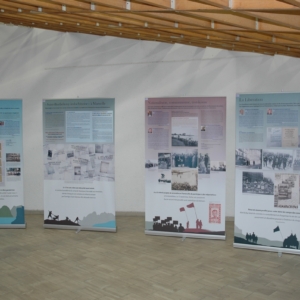
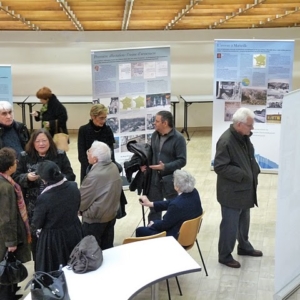
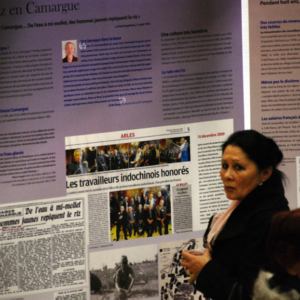
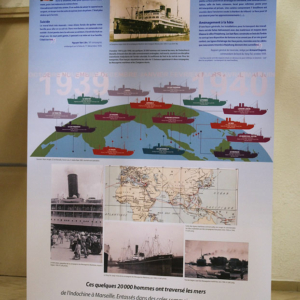
After the release of Immigrés de force in 2009, I created an exhibition with Bruno Doan, a graphic designer from Nîmes and the son of an Indochinese Worker. Consisting of twenty self-supporting panels, this exhibition toured throughout France for several years.
Film
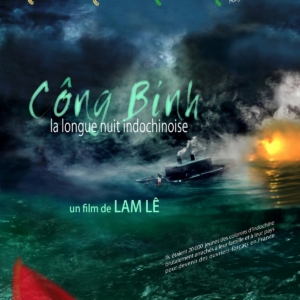
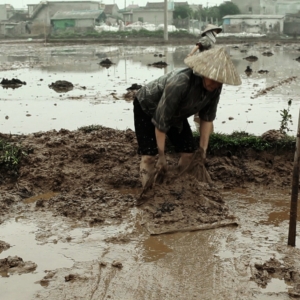
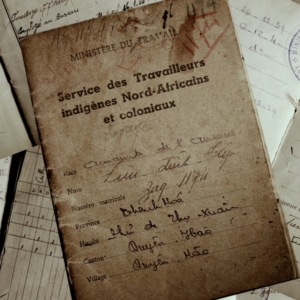
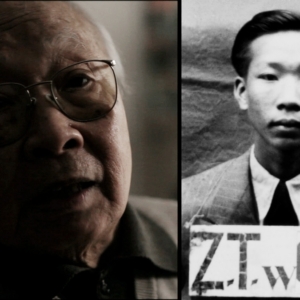
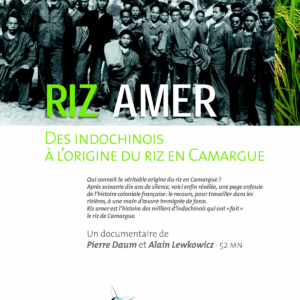
Following the publication of Immigrés de force, I was contacted by several production companies who wanted to adapt my work into a documentary film, usually for television. I finally chose a documentary project intended for cinemas. In 2013, Cong Binh, La Longue Nuit indochinoise (Cong Binh, The Long Indochinese Night) (120′), by Franco-Vietnamese director Lam Lê, was released. The film won first prize at the Pessac Film Festival. In 2015, I collaborated on the film Riz amer (Bitter Rice), by Alain Lewkowicz (52′, broadcast on France 3), which focused on the participation of Indochinese workers in the revival of rice growing in the Camargue. Two years later, I collaborated with Ysé Tran to create Une histoire oubliée (A Forgotten Story) (52′, broadcast on France 3), which tells the story of the Indochinese Workers sent to Lorraine after the Liberation. The film had an exceptional premiere at the National Assembly.
Memorial
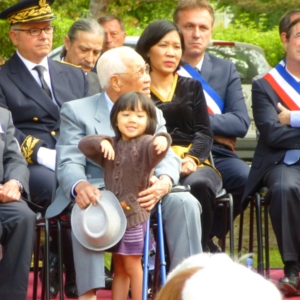
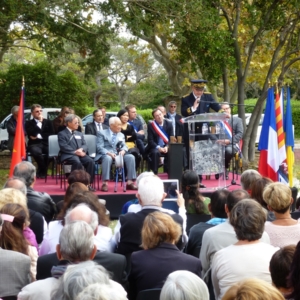
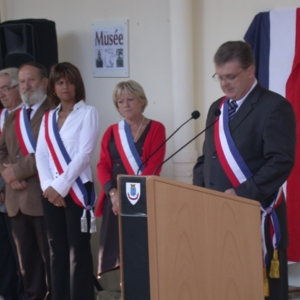
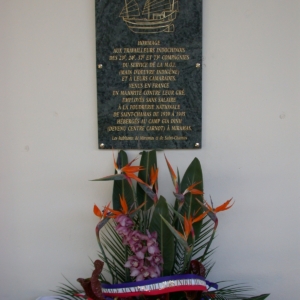
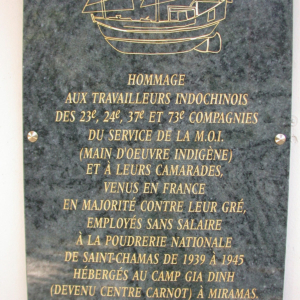
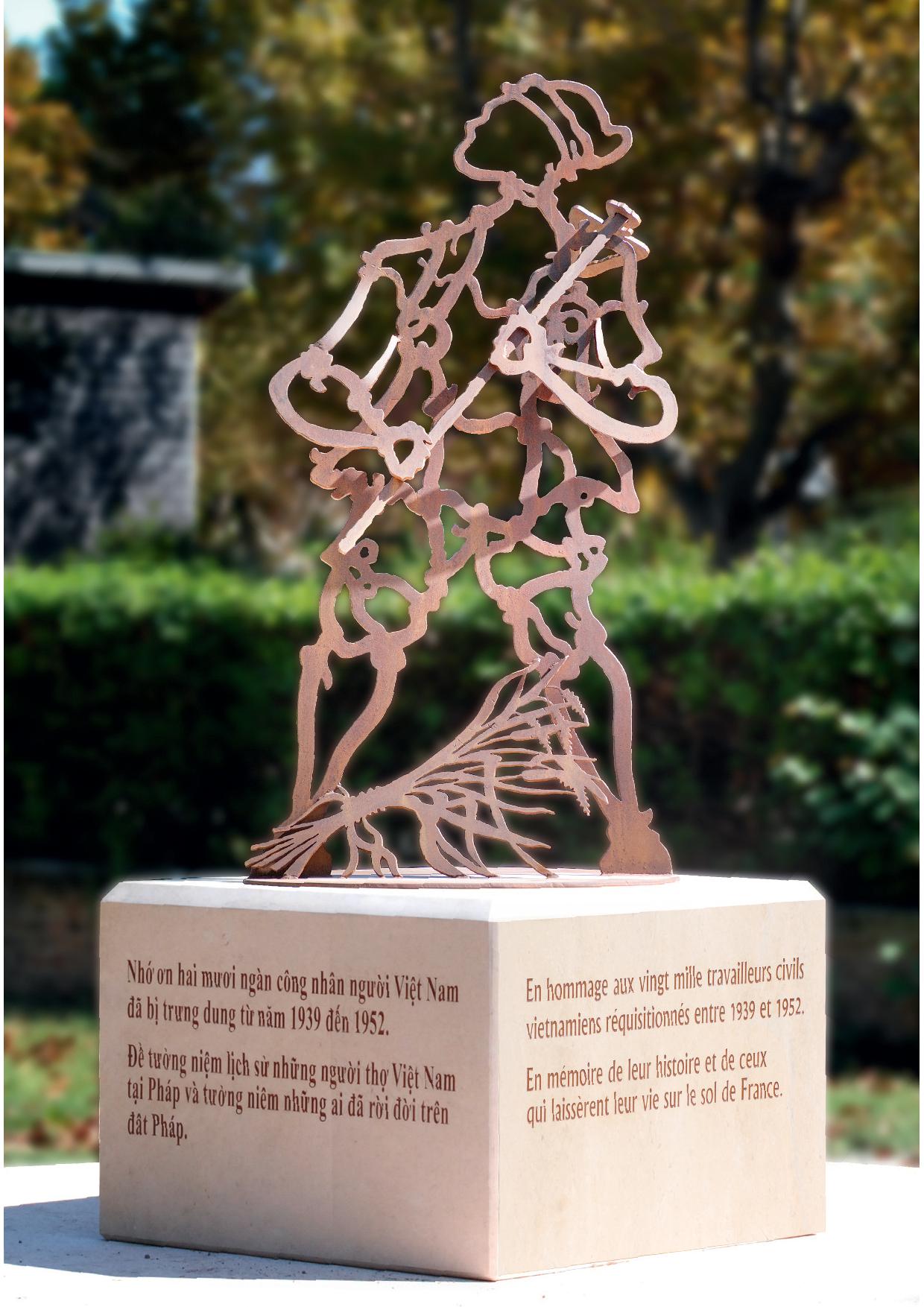
After the publication of Immigrés de force in 2009, many cities decided to pay tribute to these « Indochinese » who had been forcibly brought to their territory: Arles, Saint-Chamas, Toulouse, Sorgues, Montpellier, etc. The most beautiful memorial is currently located in Salin-de-Giraud, in the Camargue. The work of the artist Lebadang, this National Memorial to Indochinese Workers was inaugurated in October 2014 in the presence of a representative of the French State and the Vietnamese Embassy in Paris.
Media
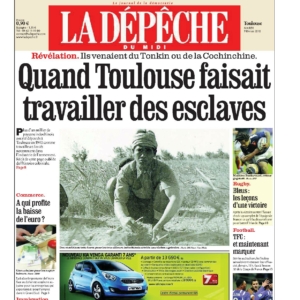
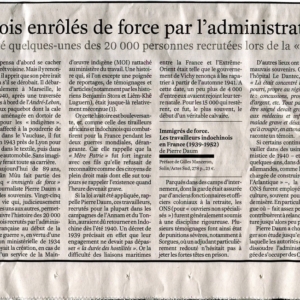
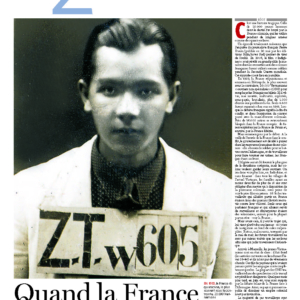
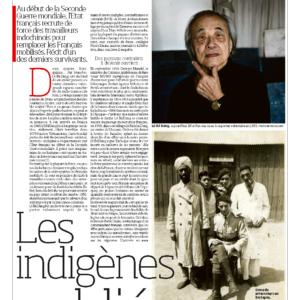
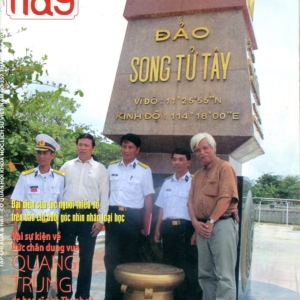
The publication of Immigrés de force, followed by the exhibition, then the films, then the tributes, all of this triggered very extensive media coverage in France and Vietnam. To get an overview, click here.